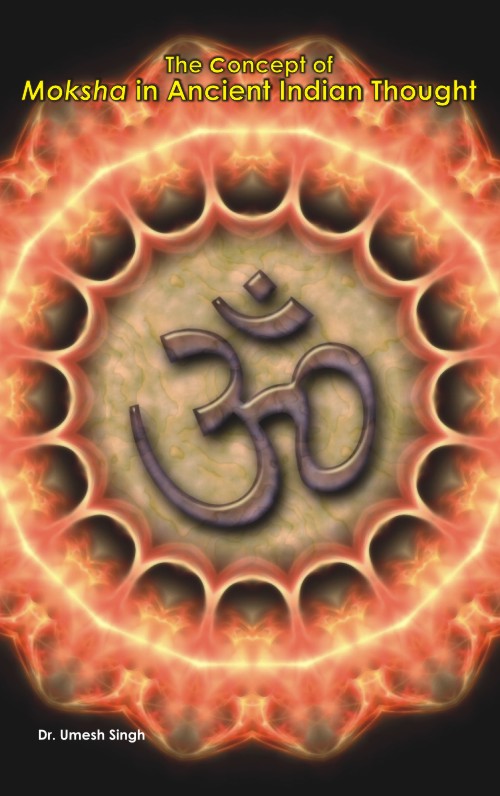
THE CONCEPT OF MOKSHA IN ANCIENT INDIAN THOUGHT
by Dr. Umesh Singh
₹400
| ISBN | 9789381750407 |
| Language | English |
| Publication Year | 1 |
| Edition | 1 |
| Pages | 146 |
| Binding | Paper Back |
| Publisher | VIJAY PRAKASHAN MANDIR PRIVATE LIMITED |
About this book
Moksha is based upon the concept of immortality of the soul. The soul changes the body after death but neither it dies nor is destroyed. The germ of the Indian concept of moksha (mukti) is first given in the Vedas which tell that the soul of a man is immortal though the body may be burnt away after death and in the above context, the äibhus are an example of the ones who attained amarattva. First, in the äigveda, it is mentioned that the soul of the dead returns frequently to this earth. The Vedas have many references to personal immortality. In the Atharvaveda, it is told that after death the deceased meets his friends and parents. The BrÂhmaàas and the Upanishads also carry the concept of moksha. In the Bhagvad-GÍt it is said by Lord Kçishàa that the soul itself as such never dies, the soul is never dead. One who is dead, is sure to take birth again unless one obtains salvation (mukti) and mukti means freedom from the cycle of birth and death. On the nivçitti mÂrga, the jÍvÂtman returns from his wanderings in SaØsÂra and reaches his true home, the Eternal having repaid all the debts contracted while on the pravçitti-mÂrga. The various means to attain moksha in the traditional Indian scheme are karma (action), yoga, jáÂna (wisdom) and bhakti (devotion). These concepts have been elaborated not only in Brahmanical and Hindu philosophy but also in the philosophy of the major heterodox sects, Jainism and Buddhism.